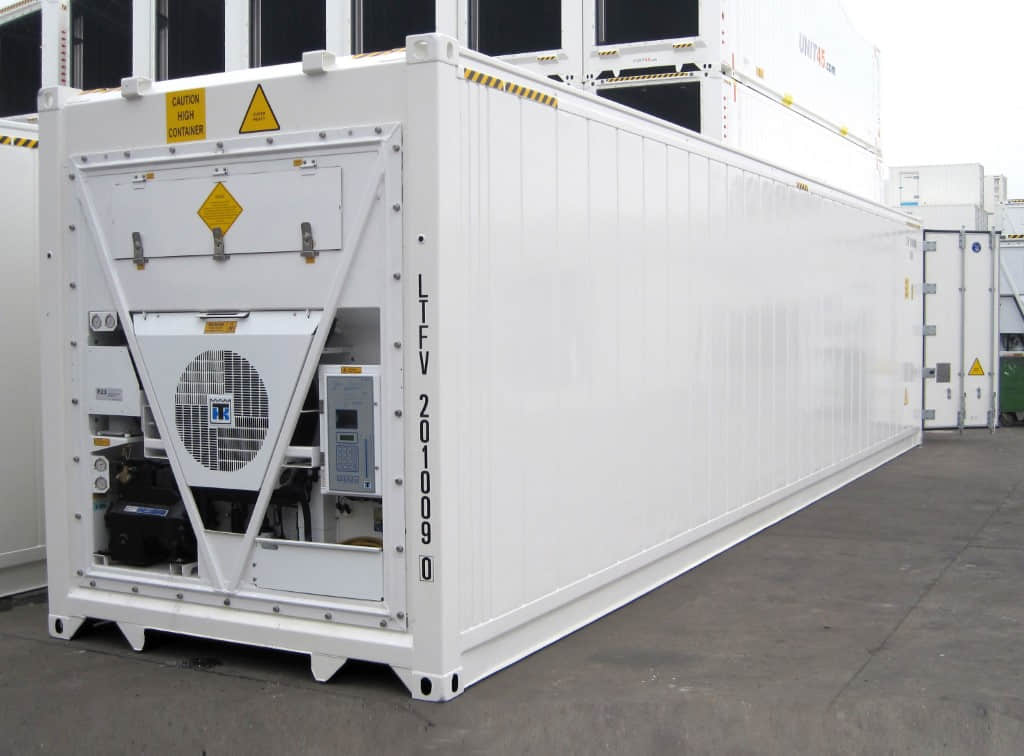
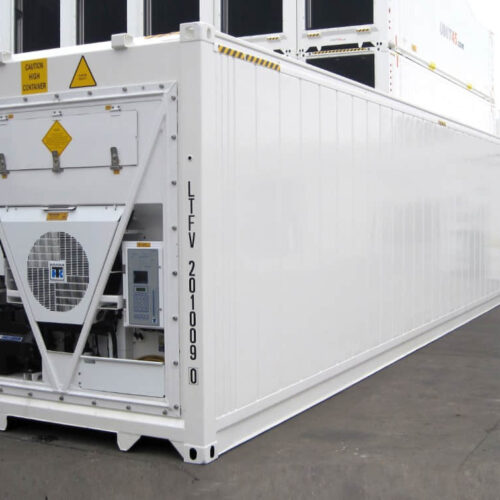
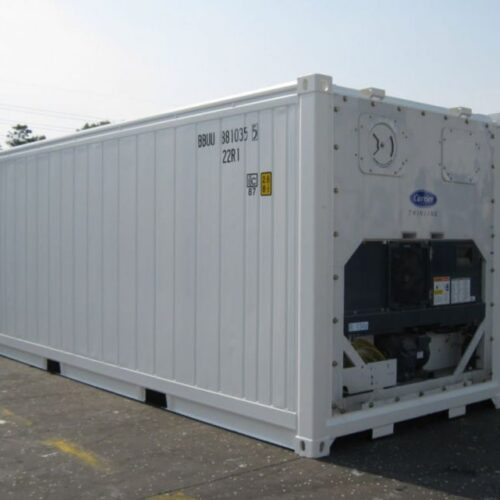
A refrigerated container or reefer is an intermodal box (shipping field) utilized in intermodal freight shipping, this is a refrigeration for the transportation of low temperature-cargo, perishable shipments including , greens, meat, fish, seafood, and different comparable items.
Whilst a reefer can have an crucial refrigeration unit, they depend upon external electricity, from electric energy source or supply on land and fleets. While being transported over the street on a trailer or over rail wagon, they can be powered from diesel powered mills, which is attach to the box at the same time as on avenue trips. Refrigerated containers are able to maintaining an internal steady temperature ranging from −65 °C (−85 °F) up to forty °C (104 °F), with better temperatures maintained using electric heaters.
A few reefers are equipped with a water cooling machine, which can be used if the reefer is stored under deck on a vessel without adequate air flow to remove the heat generated.
Water cooling systems are extra pricey than air cutting-edge ventilation to remove heat from shipment holds, and the use of water cooling structures is declining. Air cooling and water cooling are typically blended.
The effect on society of reefer containers is sizable, allowing customers all over the world to enjoy clean produce at any time of year and enjoy previously unavailable fresh produce from many different produce of the world.