Sorts of cargo Transportation
Within the speedy-paced global of world exchange and logistics, the efficient motion of goods is paramount. Shipment transportation plays a vital role in making sure the seamless glide of products from producers to customers.
From perishable goods to cumbersome shipments, understanding the diverse techniques of cargo transportation is vital for businesses and people worried in supply chain control, import-export, or international trade.
The Swiftest Mode of Transportation
Whilst time is of the essence, air freight emerges because the go-to desire for agencies worldwide. Air transportation ensures swift transport over substantial distances, making it best for time-sensitive shipments, perishable items, and high-fee items.The blessings of air freight are several, along with decreased transit times, greater security measures, and worldwide reach. With nicely-hooked up networks of airlines and cargo carriers, air transportation gives dependable connectivity to even the most far off destinations. However, it’s miles important to don’t forget the price factors related to air freight, as it could be distinctly extra luxurious as compared to different modes of transportation.
Industries that gain the most from air freight consist of e-commerce, prescribed drugs, automobile, and fashion, where short and dependable deliveries are critical.
Maritime shipping: Navigating the worldwide Waters of products
The benefits of maritime transport are glaring in its cost-effectiveness, particularly for bulk shipments, economies of scale, and its ability to deal with diverse sorts of cargo, along with boxes, bulk providers, and tankers. Furthermore, maritime transportation has made large strides in adopting environmentally pleasant practices, lowering carbon emissions, and enhancing sustainability.
But, the principle drawback of maritime shipping is the longer transit instances as compared to different modes of transportation. Industries such as manufacturing, agriculture, strength, and retail heavily rely upon maritime delivery for his or her international deliver chain operations. Maritime shipping has long been the spine of international trade, facilitating the transportation of goods on a big scale. It’s far a preferred preference for transporting in large portions.
Road transport: Flexibility and closing-Mile Connectivity
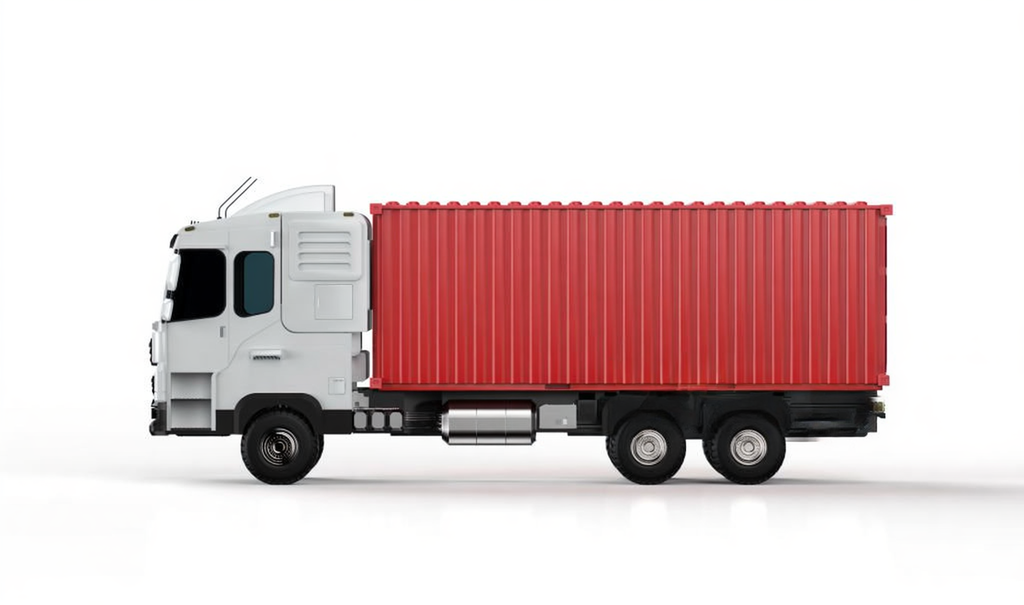
Avenue shipping performs a important position in making sure the clean go with the flow of goods inside local and local regions. It gives remarkable flexibility, accessibility, and door-to-door shipping capabilities. Trucks and trailers are the workhorses of road transport, presenting green transportation solutions for a extensive range of shipment types.
Street delivery is in particular nice for perishable goods, small and medium-sized shipments, and time-essential deliveries. Moreover, street networks are nicely-developed in maximum nations, enabling reliable connectivity even to far off regions.
However, avenue transport is prone to visitors congestion, street infrastructure obstacles, and regulatory compliance demanding situations. Industries inclusive of retail, food and beverage, patron items, and logistics provider carriers heavily rely on road transport to make certain well timed deliveries and closing-mile connectivity.
Rail Logistics: performance on the Iron Rails
Rail transport gives a completely unique set of benefits, specially for the transportation of bulk items over land. It is regarded for its potential to handle big volumes, fee-effectiveness, and reduced carbon emissions as compared to avenue shipping.
Rail logistics is specially properly-perfect for heavy and cumbersome shipments, which includes coal, minerals, and uncooked materials. It offers a dependable opportunity to street delivery for long-distance transportation, providing greater stability and decrease gasoline intake according to ton of shipment.
However, rail shipping is more restricted in terms of accessibility to precise places, because it calls for mounted rail infrastructure and intermodal connections. Industries inclusive of mining, manufacturing, construction, and energy often leverage rail logistics for his or her transportation wishes.